how does embroidery hold up compared to a printed logo?
2026-08-20
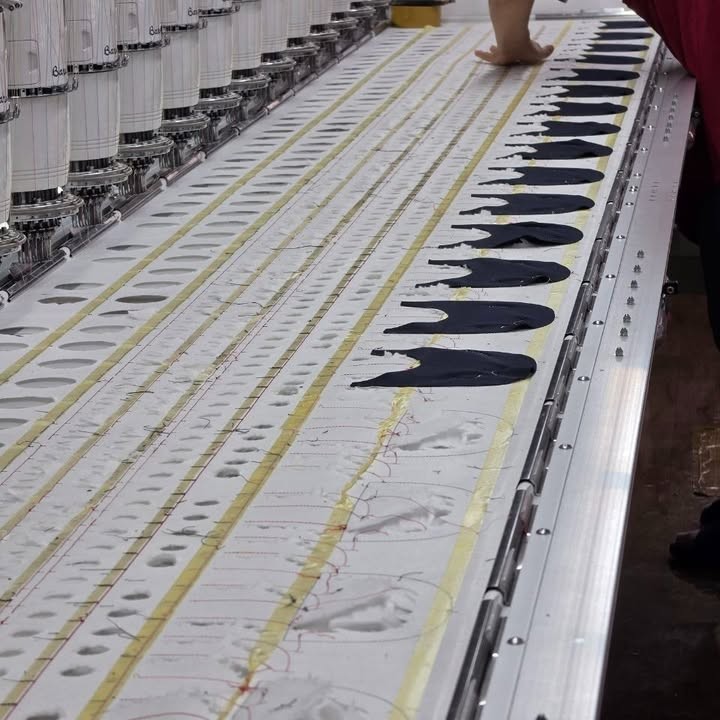
embroidery outlasts a printed logo. a printed mark is a layer of ink or plastisol bonded to the surface of the fabric. it can only ever be as durable as that bond, and every wash cycle, every fold, every rub against a bag strap works to break it. embroidery is different — thread is stitched through the cloth, so the mark is structural rather than surface-level. it wears the way the rest of the garment wears, not faster.
why prints fail first
heat and friction are the two things that kill a printed logo. the dryer is the main offender: repeated heat cycles make ink brittle, and brittle ink cracks. once a crack starts, each wash widens it, and within a couple of years a clean print can look like a spiderweb. friction does slower damage — a tote strap, a car seatbelt, a hand resting on a cap brim, all of it slowly abrading the top layer until the color thins and grays out from the inside.
embroidery has none of that failure mode, because there's no film to crack. the thread itself can fray or pill after a very long time, but that happens gradually and evenly, not in one visible tear. the worst case for embroidery is usually a pulled or snagged stitch, which is a mechanical accident, not a slow chemical breakdown.
where embroidery loses
it isn't free of tradeoffs. embroidery is heavier and stiffer than print, so it can pucker thin or stretchy fabric and it doesn't work for very fine detail or gradients — a photographic logo will always print better than it stitches. it also costs more to produce, which is part of why printed logos dominate fast, cheap apparel: the mark is disposable in the same way the garment is. if a piece is meant to be worn for one season and replaced, a print is a reasonable, honest choice. don't assume embroidery is automatically the better call — it's the better call for something meant to last.
density matters more than people expect. a loosely stitched logo with visible gaps between threads will fray at the edges within a year, especially at corners and small letterforms. a tightly and evenly stitched mark, with the stitch direction following the shape of the letters, resists fraying because there's no loose thread end for friction to catch on. this is a production choice, not a material one — two embroidered logos in identical thread can age completely differently based on stitch density alone.
care affects both, but it affects embroidery less. printed logos should be turned inside out before washing and air dried, because a dryer is the fastest way to crack ink. embroidery tolerates a normal wash far better, though turning a piece inside out still protects the stitching from catching on zippers or hardware in the machine.
the honest summary: if you want a logo to look the same in five years as it does on day one, embroidery is the more reliable technique, assuming it's stitched densely and cleanly. it's one of the reasons the wordmark on our bucket hat is embroidered rather than printed — the hat is made to be worn for years, not seasons, and the mark should hold up at the same pace as the twill around it.
 light black, bell-shaped bucket hat220 USDT · made to order, ships in about 8 weeks · seoulsee the hat →