soho was built on one-thing shops. it still is, if you know where to look.
2026-08-11
for most of the twentieth century, soho's cast-iron buildings weren't selling anything. they were factory floors — printing, textiles, small manufacturing — and the artists who moved into the empty ones in the 1960s and 70s weren't opening boutiques, they were finding cheap space to work in. the shops came later, and for a stretch, some of the best of them were run by someone who still made the thing themselves, in the back, one product at a time.
what got lost in the scale-up
somewhere between then and now, a lot of that street became flagship stores for labels headquartered somewhere else entirely — beautifully lit, extremely well merchandised, and completely disconnected from anyone actually making anything on the block. that's not a complaint about those stores, it's just a different model: distribution, not production. the maker and the storefront stopped being the same person, and mostly stopped being in the same building, or country.
the ones that never made that trade
the shops that kept the old model — one person, one object, one small space — didn't disappear, they just got quieter and harder to stumble into by accident. a hat maker who only makes hats. a bag maker who only makes one bag, extremely well, and improves it slowly instead of launching a new one every season. these places don't compete with the flagships on square footage or foot traffic. they compete on the same thing soho's original lofts had: someone who can tell you exactly why it's made the way it's made, because they're the one who made it.
that's the same bet a one-product studio makes anywhere — that getting one thing right and staying with it beats spreading the same effort across a catalog. soho didn't invent that idea, but for a while it was full of people proving it worked.
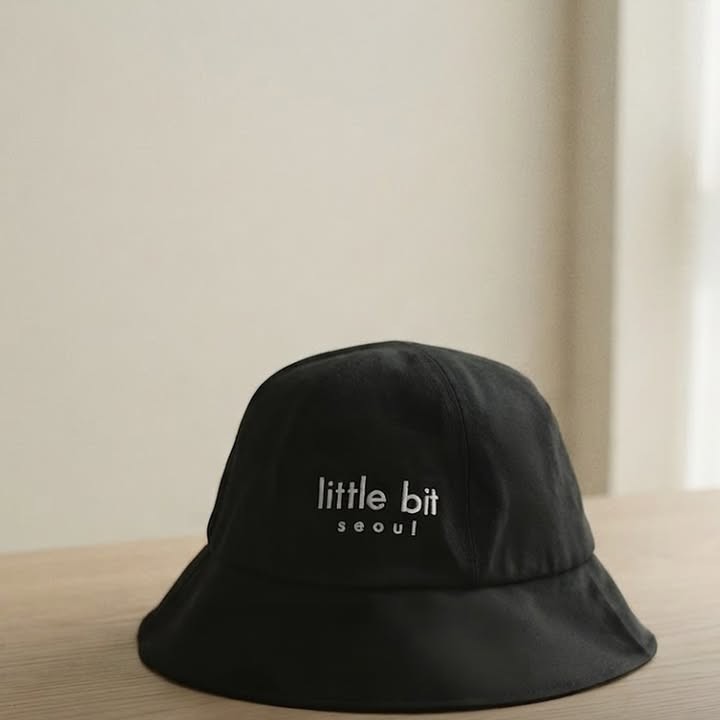
we're not on that block, or any block — the studio is in seoul, and the hat is made to order, one at a time, for a label run by one person. same instinct, further away. the hat is here if you'd rather buy it from the studio than the flagship.
 light black, bell-shaped bucket hat220 USDT · made to order, ships in about 8 weeks · seoulsee the hat →