what goes wrong in a first sample?
2026-09-04
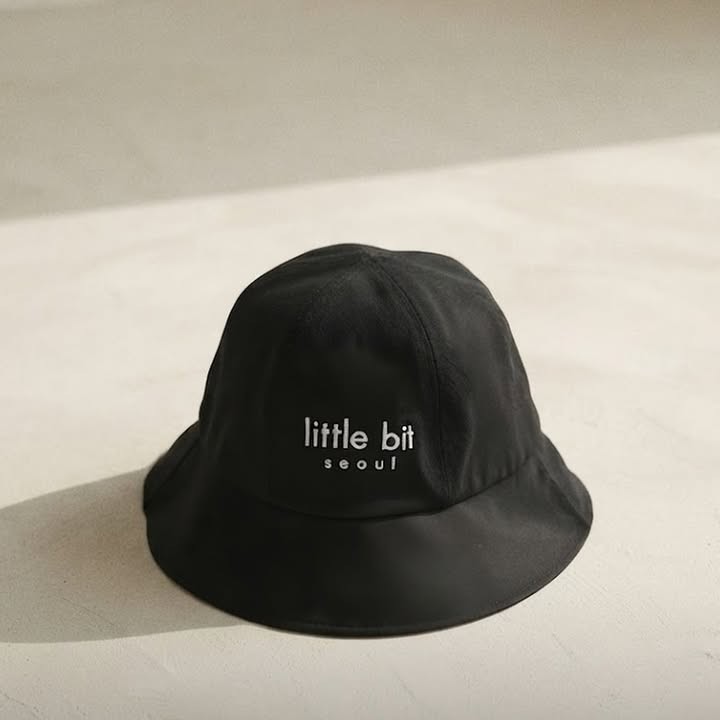
a first sample exists to be wrong. that is its job. before a pattern is cut in production fabric and sewn by a rested hand, it gets made once, badly, on purpose, so every mistake shows up while it still costs almost nothing to fix. if a first sample came out right, that would be the surprising outcome, not the normal one.
the most common failure is fit at the crown. a six-panel dome looks simple on paper but the six seams have to meet at exactly the same point at the top, and if one panel is even two millimeters off, the crown tilts or puckers instead of sitting round. you don't see this on a flat pattern piece. you only see it once the panels are joined and the hat is sitting on a head or a block, which is the entire reason the sample gets made at all.
the brim is where things usually go sideways
a brim that looks fine flat can warp once it's attached, because the tension of the seam pulls against the stiffness of the interfacing underneath. too much interfacing and the brim looks stiff and cardboard-like. too little and it collapses by the second wear. the first sample is where you find that line, usually by getting it wrong in both directions before landing in between.
topstitching is the other early casualty. it has to sit an even distance from every seam, and on a curved panel that's harder than it sounds — the needle wants to drift as the fabric curves away from it. a first sample often comes back with stitching that wanders by half a millimeter in places. invisible to a customer holding the hat for the first time, obvious to the person who has to sign off on it before it becomes the standard.
fabric behaves differently than expected almost every time, too. cotton twill that drapes one way off the roll can pull tighter once it's cut on the panel's true grain, which changes how the crown sits by a few degrees. garment washing, if the piece gets it, shrinks it further, sometimes unevenly across panels cut from different parts of the same bolt. none of this is a defect in the fabric. it's just what fabric does, and the first sample is where you learn how much room to leave for it.
what a good first sample actually tells you
a first sample isn't judged on whether it looks finished. it's judged on whether the problems are the kind you can name and fix — a seam allowance that needs to move by a millimeter, a panel that needs slightly more curve, a brim that needs a stiffer interfacing weight. those are normal. what's not normal is if the second sample has the same problems as the first, because that means the fix wasn't understood, only patched.
this is also why careful made to order work doesn't shortcut the sample stage even for a single, unchanging design. every batch of fabric behaves slightly differently, so it's worth checking a sample panel against the standard before cutting, not because the pattern is in doubt but because the material never quite repeats itself. it's a small, unglamorous discipline, and it's how one finished hat ends up looking like the one before it. more about the hat itself is on the little bit seoul home page.
if you're evaluating any small maker — hats or otherwise — asking to see a first sample, or asking what went wrong with theirs, is a better question than asking about the finished piece. anyone can show you something that worked. the honest answer to what didn't tells you whether they actually understood why.
 light black, bell-shaped bucket hat220 USDT · made to order, ships in about 8 weeks · seoulsee the hat →