what makes an object worth keeping for ten years
2026-10-23
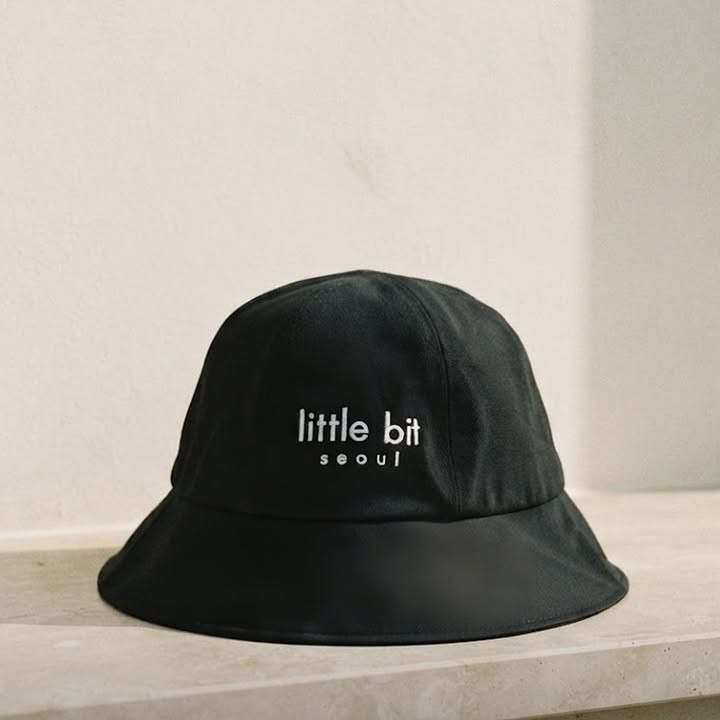
An object earns ten years of use through quiet structural repairability, physical dignity under daily friction, and a silhouette simple enough to survive changing tastes. Long term survival is rarely about toughness alone. Most things are discarded long before they wear out because their proportions feel tied to a specific month, or because their surface degrades into something untidy rather than something weathered.
Objects that last tend to share three traits that are easy to overlook at the point of sale. Understanding these traits makes it simpler to choose things that stay in your life rather than passing through it.
structural repairability
The first condition is whether the object can be restored without specialized machinery. Glued seams, bonded synthetics, and molded plastics age on an invisible timer. Once the bond fails, the object is finished. Woven natural fibers, stitched stress points, and mechanical fasteners behave differently. They allow a needle, a thread, or a replacement part to reset the clock.
When a piece is assembled with visible, straightforward construction, repair becomes a natural continuation of ownership rather than an inconvenient chore. A heavy cotton cloth can be patched or re-stitched at home using simple tools. Synthetics coated in waterproofing films usually cannot.
aging without deterioration
The second condition is how the material responds to friction and laundering. Cheap surface finishes look pristine on a shelf but peel, flake, or turn sticky after exposure to rain, sun, and skin oils. Honest materials age by softening and shifting tone. High-density cotton twill, unlined leather, and untreated metals gather marks that record how they were used without losing their structural integrity.
A dark fabric that slowly softens into a muted shade of grey through years of sun and washing gains character. A coated synthetic that cracks along its fold lines simply looks broken. When evaluating anything you intend to keep, ask how it will look after a hundred washes or five hundred miles of travel.
proportion over novelty
The final condition is visual restraint. Complex detailing, decorative hardware, and aggressive shapes demand attention when new, but they bind an object to the year it was made. Simple geometric forms survive because they do not fight with the rest of your wardrobe or living space.
At our studio in Seoul, we work with a single shape: a light black bell-shaped bucket hat cut from cotton twill with six crown panels. By removing decorative seams and unnecessary trims, the focus remains entirely on the curve of the brim and the weight of the weave. A plain shape allows the wearer to project their own routine onto the piece year after year.
choosing less
Keeping an object for a decade is ultimately a practice of refusal. It requires resisting the subtle pressure to replace things that still function well. When you invest in a single well-made item, you trade the temporary novelty of acquisition for the quiet satisfaction of familiarity. The best objects are the ones you stop noticing because they simply work, day after day, until ten years have passed without event.
 light black, bell-shaped bucket hat220 USDT · made to order, ships in about 8 weeks · seoulsee the hat →