why don't more shops accept crypto only?
2026-08-07
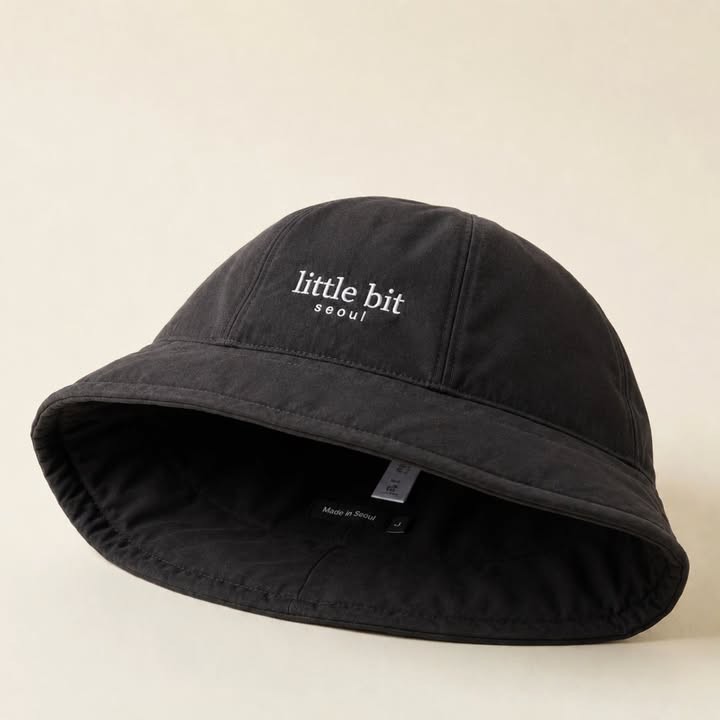
Because it filters out almost everyone. A crypto-only checkout removes card shoppers, PayPal shoppers, anyone without a wallet already funded and ready. For most businesses that isn't a filter, it's a wall — and a wall in front of checkout is the opposite of what most retail is trying to build.
The honest tradeoffs, in order: you lose impulse buyers, because setting up a wallet takes longer than typing in a card number. You lose the segment of shoppers who don't hold crypto yet, which as of 2026 is still most people. You take on volatility risk unless you settle the moment payment lands. And you give up chargebacks as a fraud tool, which for a shop selling anything easy to fake or dispute is a real cost, not just an inconvenience.
so why does anyone do it
Because the customer they lose is not the customer they wanted. A one-person label with a single hat isn't trying to sell to everyone — it's trying to sell to people who already think about ownership, provenance, and paying directly for a small run of something. Crypto-only isn't a growth strategy here. It's a filter, set on purpose, in the other direction.
It also removes a specific kind of friction that has nothing to do with crypto being fashionable: card processors and banks get a vote on what a small foreign label is allowed to sell and to whom, and that vote isn't always yes. A wallet doesn't ask.
when it's the wrong call
If your business depends on volume, repeat low-friction purchases, or customers who are price-sensitive and impatient, crypto-only is the wrong call — you'd be trading real revenue for a filter you don't need. It works here because we make one hat, to order, for people who were already going to take their time. The hat is here if that's you.
 light black, bell-shaped bucket hat220 USDT · made to order, ships in about 8 weeks · seoulsee the hat →