bucket hat vs boonie hat: what's the difference?
2026-08-23
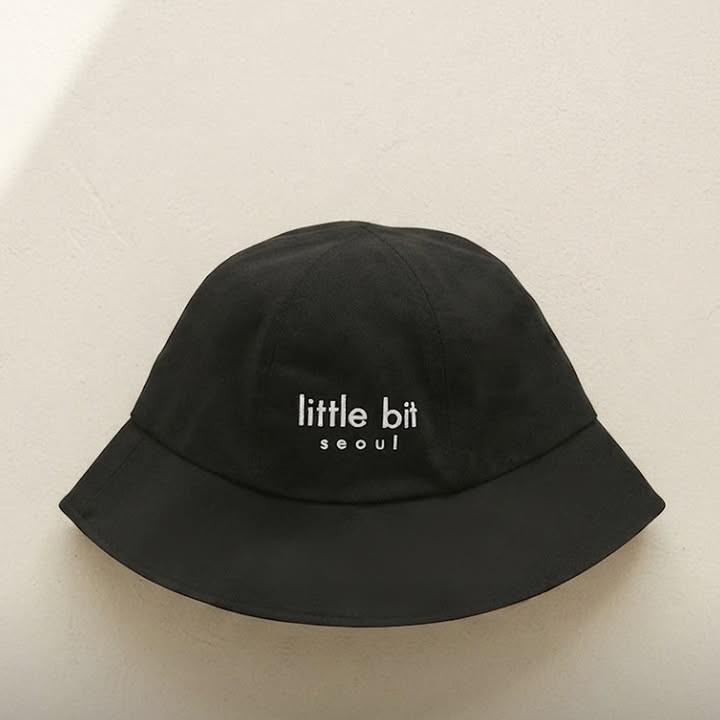
a bucket hat has a soft, continuous brim that slopes evenly down from a rounded crown, with no chin strap and no vents. a boonie hat has a stiffer, often wider brim, mesh or grommet vents, a chin strap, and usually a loop for foliage. they can look similar from a distance. they are not built for the same job.
the giveaway is the brim. a bucket hat's brim is cut from the same soft fabric as the crown and folds or softens with wear — it moves with your head. a boonie's brim is reinforced, sometimes wired at the edge, so it holds a flat, wide line even in wind or rain. that stiffness is the point: the boonie was designed for sustained outdoor use, originally for soldiers who needed shade and rain cover that wouldn't collapse or blow off during movement. the bucket hat's softness is also the point, just aimed at a different problem — it packs flat, it doesn't fight your silhouette, and it reads as clothing rather than gear.
where they come from
the boonie descends from jungle and bush hats used by militaries through the mid-20th century — practical, vented, often in camouflage or olive drab, with a strap so it stays on during real activity. the bucket hat has a civilian and sport lineage: rain hats for irish farmers and fishermen, then a fashion object through the 1960s onward, picked up by golfers, then hip-hop and streetwear, then fashion houses. one was issued. the other was chosen.
the details that actually differ
crown shape is the second tell. boonies tend toward a low, flatter crown, sometimes with a slight taper, built to sit close and stay put under a strap. bucket hats vary more — some flat-crowned, some domed or bell-shaped, since nothing has to survive a strap holding it down. hardware is the third: boonies carry grommets for drainage and ventilation and a branch loop; bucket hats, if they have any hardware at all, might have a single eyelet or none. and material choice skews differently — boonies often in ripstop, nylon-cotton blends, or camouflage prints built to survive weather and abrasion; bucket hats more often in plain cotton twill, canvas, or wool, chosen for how the fabric drapes and ages rather than how it performs in a downpour.
fabric weight tells a similar story. a boonie in a technical blend is built to shed water and dry fast. a cotton twill bucket hat, like ours with its six-panel dome crown, is built to hold a clean shape and soften with wear rather than to perform in the field — worth knowing if you're choosing based on what the hat needs to survive, not just how it looks.
which one you actually want
if you need something that stays on during real physical activity, sheds rain, and vents heat — hiking, fishing, working outside for hours — a boonie does that job better. its strap and stiffer brim are there for a reason, and a bucket hat will not replace them. if you want something that reads as an everyday piece of clothing, packs small, and sits well with the rest of a wardrobe, a bucket hat is the better fit, and a boonie will look like gear wherever you wear it. they solve different problems well and the other problem poorly. don't buy a boonie for the way it looks, and don't buy a bucket hat expecting it to survive a storm. more on how ours is built is on the front page.
 light black, bell-shaped bucket hat220 USDT · made to order, ships in about 8 weeks · seoulsee the hat →