what is topstitching for?
2026-08-22
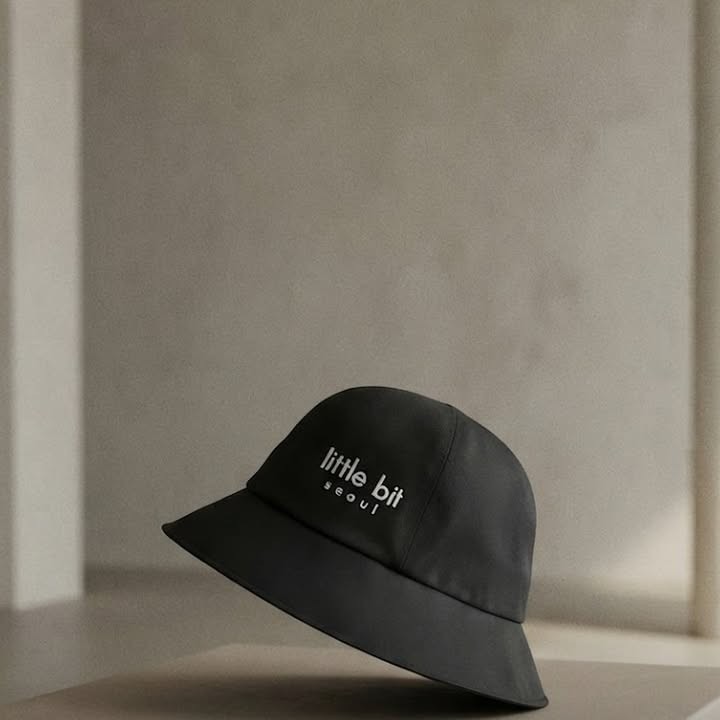
topstitching is a visible row of stitching sewn close to a seam or edge, and its main job is to pin the fabric layers down so they lie flat instead of curling. anywhere two pieces of cotton twill are joined, the seam allowance wants to shift around inside the fabric. a line of topstitching locks it in place from the outside, which is why it shows up on jeans, collars, and hat brims rather than hidden inside a lining.
on a garment, topstitching often looks decorative because it's done in contrast thread, but the decoration is a side effect. the primary reason a factory adds it is control. cotton twill has a fair amount of give, and a raw seam under tension will stretch, twist, or pucker over time. a topstitched seam resists that because the extra line of thread is doing structural work the main seam alone can't.
where it matters most on a hat
a bucket hat lives or dies by its brim. the brim is two or more layers of twill sewn edge to edge, and without topstitching that edge has nothing keeping it flat except the original seam, which sits close to the fold and doesn't resist rolling on its own. a topstitched brim edge sits flush against the crown line and holds its angle wash after wash. take the topstitching away and the same hat will start to cup or wave at the edge within a few wears, especially once the cotton softens.
the same logic applies to the crown panels. a six-panel dome crown has six seams meeting at the top, and each one is a place where fabric can pull unevenly if the wearer's head isn't perfectly symmetrical, which no one's is. topstitching along those panel seams keeps the dome shape reading as a dome rather than settling into whatever shape the last wear left it in.
what to look at before you buy
if you're checking the quality of any cotton hat, run a finger along the brim edge and the panel seams. you should feel a slightly raised, even line of stitching, not just a folded seam. uneven stitch spacing or a topstitch line that wanders off the seam by more than a millimeter or two usually means it was rushed, and that's often the first place a cheap hat fails, well before the fabric itself wears out.
it's worth saying plainly: topstitching alone won't save a badly cut hat, and a well-cut hat with sloppy topstitching will still hold its shape better than people expect, just not as long. it's one input among several, including fabric weight, panel count, and how the hat is finished after washing. don't treat it as the single marker of quality, but do treat its absence, or its sloppiness, as a warning sign.
our own hats use topstitching along the brim edge and crown panels for exactly this reason, to keep the dome and the brim line reading clean after repeated wear. it's a small, unglamorous detail, which is usually a sign it's there for function rather than show. more on the construction is on the site.
 light black, bell-shaped bucket hat220 USDT · made to order, ships in about 8 weeks · seoulsee the hat →