how is a bucket hat actually sewn together?
2026-08-25
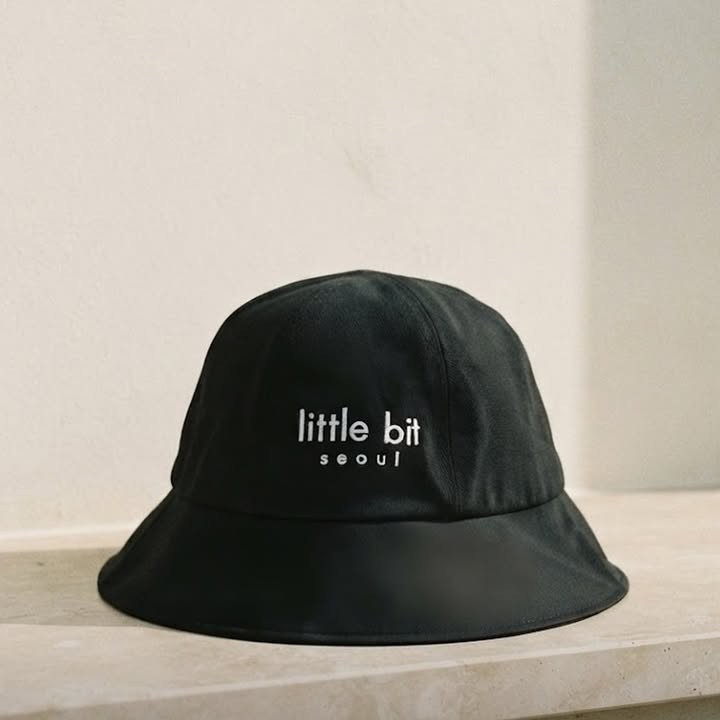
a bucket hat is not one piece of fabric folded into a shape. it is several flat pieces — crown panels, a brim in two layers, a sweatband, and a small circle for the very top — cut from a pattern, stiffened where needed, and joined in a set order. the shape only appears once the last seam closes. everything before that looks like a pile of curved scraps.
the crown comes first
a dome crown is usually cut as six identical wedge-shaped panels, sometimes four or eight. each panel is cut on the same grainline so the fabric behaves the same way at every seam, otherwise the dome twists slightly to one side once it's sewn. the panels are stitched together two at a time, then those pairs joined into a full ring, then the ring closed into a dome. a small circle of fabric or lining caps the point where all six seams meet at the crown's peak — the one spot with the most fabric bulk in the whole hat, which is why a badly finished tip is the fastest way to spot a rushed hat.
before any of that stitching happens, the panels are usually fused to a lightweight interfacing on the inside. this is what decides whether the crown holds a dome or collapses into a soft beanie shape. cotton twill on its own has some body, but not enough to hold a rounded crown against its own weight once it's off a form. the interfacing is invisible in the finished hat and does none of the visible work, but without it the whole shape argument is moot.
the brim is a separate assembly
a brim is almost never one layer. it's two circles of fabric, often with a stiffer interfacing or buckram between them, sewn together at the outer edge, turned right-side out, then topstitched in concentric rings to keep the two layers from shifting apart and to hold the flare. that stitched brim ring is then attached to the open bottom edge of the crown — right sides together, sewn, then pressed so the seam sits flat against the head rather than poking outward. this is the seam that takes the most stress every time the hat is put on or taken off, so it's often stitched twice.
the sweatband goes in last, sewn along the same seam line where brim meets crown, then folded up and tacked so the raw edge of that seam is hidden inside the band rather than sitting against skin. a hat with no sweatband, or one that's just glued rather than stitched, is one where this step was skipped to save time.
none of this is unusual or specialized machinery — it's an ordinary industrial sewing machine, a pattern, and someone who checks that six panels are actually identical before cutting a whole run of them. what separates a hat that holds its shape after a year from one that doesn't is mostly attention at the interfacing and crown-tip stage, not the sewing machine used. our own hat is cut as six panels for the dome, which is part of why the crown reads as rounded rather than pointed — more on that shape choice is in bell crown vs flat crown.
if you're evaluating a hat before buying it, turn it inside out. a clean, flat-pressed brim seam and a neatly closed crown tip tell you more about how it was made than the outer fabric ever will.
 light black, bell-shaped bucket hat220 USDT · made to order, ships in about 8 weeks · seoulsee the hat →