can you pay with crypto from a hardware wallet?
2026-08-24
yes. a hardware wallet — ledger, trezor, keystone, whatever you use — doesn't change what a crypto payment is. it changes where the signing happens. the invoice still asks for a chain, an address, and an amount. the difference is that the key authorizing the transaction never touches your computer or phone; it stays on a small offline device that has to physically confirm the send.
in practice the flow has one extra step. you open a companion interface — ledger live, trezor suite, or a browser wallet like metamask set to "connect hardware wallet" — build the transaction there, then the device itself shows you the destination address and amount on its own screen. you press a button on the device to approve. that's it. the transaction then broadcasts and confirms exactly the way it would from a software wallet, on the same timeline.
why people bother
because it removes one whole category of risk: malware on your laptop rewriting the destination address before you hit send. software wallets show you the address on the same screen the malware controls. a hardware wallet shows it again on a second, isolated screen, so what you approve is what actually gets signed. for a one-off hat purchase this is arguably overkill. for anyone who keeps meaningful funds in the same wallet they pay from, it's the sane default.
the one habit worth building: actually read the address on the device screen before confirming, not just on your computer. that second check is the entire point of the hardware wallet — skipping it and clicking through on autopilot defeats it.
where it can slow you down
a couple of practical snags. first, some hardware wallets need a specific companion app installed and updated before they'll sign for a given chain — if you haven't paid with, say, solana from that device before, budget a few minutes to update firmware and add the app. second, "blind signing" — approving a transaction without the device being able to parse and display its full details — is sometimes required for certain contract interactions and is usually off by default for good reason. a plain wallet-to-wallet payment for a hat doesn't need it; if a payment flow is asking you to turn blind signing on just to check out, that's worth pausing on, not clicking past.
none of this is specific to us. we don't see your wallet type, only the address that sent the transaction and the amount that arrived. a hardware wallet and a phone-based one look identical from our side of the invoice. we price each hat in a stablecoin amount, generate an address, and wait for confirmations — the same process whether you're signing on a device the size of a usb stick or tapping approve on your phone.
so the honest answer is: use whichever wallet you already trust with money. if you hold any crypto long-term, a hardware wallet is worth owning regardless of whether you ever buy clothes with it — and if you already have one, there's no reason not to pay from it. if you don't have one and this is a single small purchase, a reputable software wallet is not meaningfully riskier for that one transaction. the device matters more the larger and more permanent your holdings are, not the size of the thing you're buying.
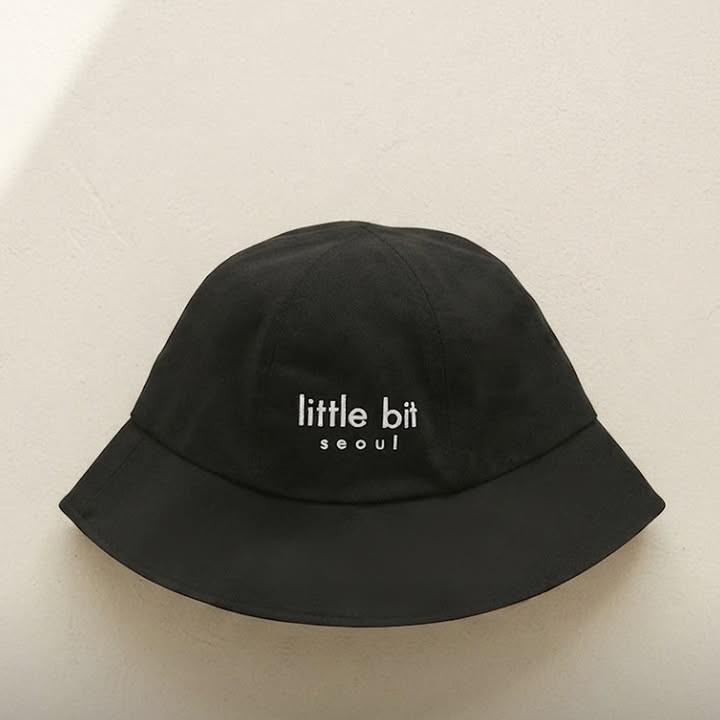
 light black, bell-shaped bucket hat220 USDT · made to order, ships in about 8 weeks · seoulsee the hat →