what does 'garment washed' do to cotton?
2026-08-07
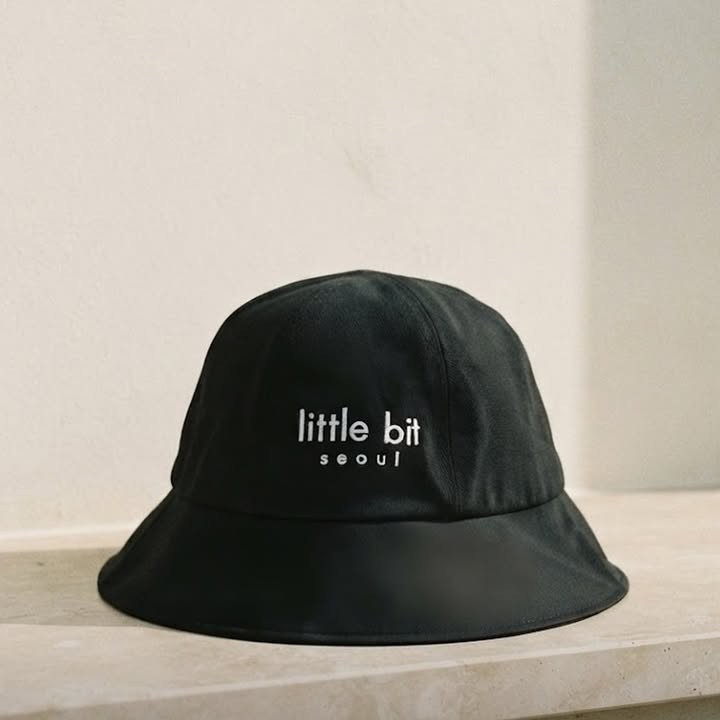
garment washing means the piece is washed and tumble-dried after it's already cut and sewn, not before. a mill weaves the cotton, a factory cuts and stitches the panels into a finished garment, and only then does it go through a wash cycle — sometimes with plain water, sometimes with enzymes or pumice stones added to speed up the effect. the garment comes out softer, slightly faded, and pre-shrunk. everything downstream of that wash is stable; everything upstream of it was raw.
what actually happens to the fiber
cotton fiber swells when it gets wet and the weave relaxes as the yarns settle into a looser, less tensioned structure. mechanical tumbling then abrades the surface just enough to break the crispness of a new weave, which is what makes a garment-washed piece feel broken-in straight out of the bag instead of after six months of wear. the wash also rinses out the sizing — the starch-like finish a mill adds so new cloth is easier to cut and sew — which accounts for a good part of a new garment's stiffness. dye also lifts slightly in the process, so colors come out a shade softer and less uniform than the original cut. none of this is damage in the sense of weakening the cloth — it's closer to fast-forwarding the fabric's first few years of normal washing.
the tradeoff is that the process is one-way and roughly permanent, and it changes different things depending on the fabric. a light cotton shirting will drape and soften nicely. a stiffer twill or canvas loses some of the body that gives it shape. shrinkage is the other constant: expect a few percent, concentrated in the first wash, which is why garment-washed sizing usually already accounts for it and a second home wash won't shrink it further by much.
when it's worth choosing
garment washing is the right call for anything meant to feel soft and settled immediately — denim, chore jackets, oxford shirts, anything where a lived-in look is the point. it's the wrong call for anything that depends on a crisp, held silhouette straight off the shelf, because the same relaxing that softens a shirt collar will round out a structured edge. there's no universally better option here, only a fit between the wash and what the garment is supposed to do.
that's also why it isn't automatic. some factories run every order through a wash cycle by default because it hides small inconsistencies in a new weave and customers associate softness with quality. that's a legitimate reason, but it's a styling decision, not a durability one — an unwashed piece isn't inferior, it just hasn't been aged on purpose yet. the practical difference is when the first shrink happens: on an unwashed piece it comes in the owner's first wash, and because panels cut in different grain directions shrink by slightly different amounts, seams can twist a little or the fit can come out a touch smaller.
for a structured shape like a six-panel dome crown, that tradeoff matters more than usual: a stiffer twill holds a bell shape, and anything that relaxes the weave also softens the crown's edges. whatever finish a hat arrives with, the next wash is yours to do — see how to wash a cotton bucket hat — and it's the same relaxing effect described above, just on your schedule.
 light black, bell-shaped bucket hat220 USDT · made to order, ships in about 8 weeks · seoulsee the hat →