what does 'made in seoul' actually mean for a small label
2026-08-12
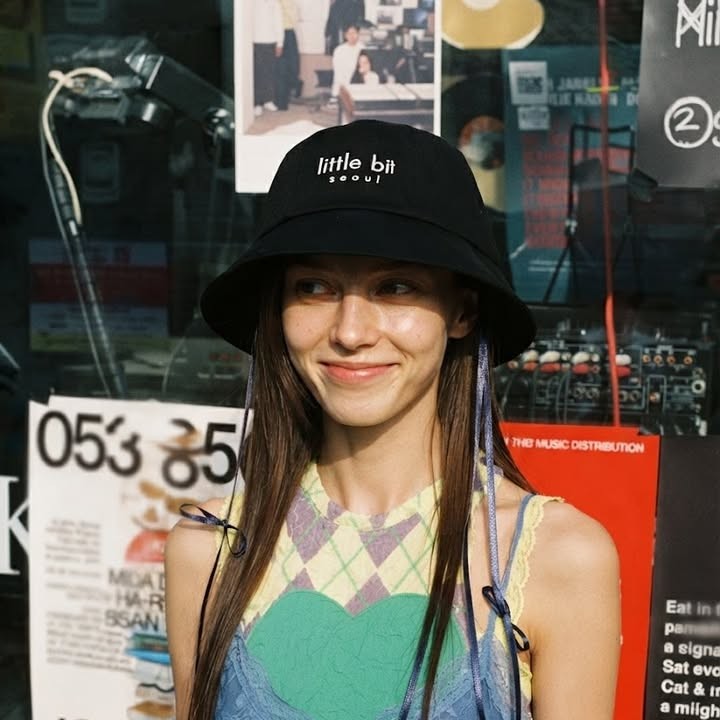
for a small label, 'made in seoul' means the maker is local, not that every material is. a one-person studio isn't a supply chain with twelve countries and an audit trail — it's one person writing the spec and a sewing workshop in the same city making it to order. the claim is about proximity between designer and product, not a certificate about the origin of every thread.
this matters because 'made in' labeling means something very different at scale. a large brand's 'made in italy' tag can legally apply to a garment assembled in a factory the brand has never visited, from fabric milled somewhere else entirely, under a contract negotiated by someone who has never met the workers. the phrase survives; the relationship it implies does not. country-of-origin rules generally ask where the last substantial transformation happened, not where the idea came from or who benefits from the sale.
what a small label can actually promise
a label with one product and one person behind it can promise something narrower and more honest: this specific piece was cut and sewn in this specific city, and the person who designed it will answer if you ask a question about it. that's a smaller claim than 'ethically made' or 'artisan crafted,' and it's worth more precisely because it's smaller. it doesn't cover the cotton farm, the mill that wove the twill, or the thread manufacturer — those are upstream, usually across several borders, and no one-person studio controls that far back.
what it does cover is the part most likely to determine quality: pattern accuracy, stitch density, panel alignment on a six-panel crown, the embroidery tension on a small wordmark. those are decisions made at a cutting table, not in a boardroom, and they're the reason two hats that look identical in a photo can fit and wear completely differently. working in the same city as the workshop also shortens the loop between spotting a problem on a sample and seeing it fixed.
how to tell the claim is real
the honest test isn't the label, it's whether the person behind it answers plainly: who designed the piece, who sewed it, and in which city. a shop that posts the same interior shots for years, can't answer a specific question about how its pieces are made, or routes every message through a support team is not describing a one-person label, whatever the about page says. a label that answers those questions directly and replies personally is showing you the thing the label is supposed to mean.
this is also why made-to-order production and small runs tend to correlate with the claim being true. it's hard to fake 'made here' at volume — at some point the numbers force production elsewhere, and the label becomes aspirational rather than descriptive. a studio making one product to order has less room to hide that gap, which is its own kind of evidence. the cost runs the other way: making things inside one city usually means a higher price per piece and fewer pieces, and that is part of what a small label is choosing.
none of this makes 'made in seoul' a quality guarantee on its own. it's a statement about accountability — that there's one person, in one place, responsible for what left the workshop. our own hat carries that claim in the same narrow sense: designed by one person in seoul, sewn to order there by a partner workshop working to that spec, and answered for by the person you'd actually be writing to if something were wrong with it. that's a smaller promise than most labels make. it's also one that's checkable, which is the point.
 light black, bell-shaped bucket hat220 USDT · made to order, ships in about 8 weeks · seoulsee the hat →