is cotton or nylon better for a bucket hat
2026-09-04
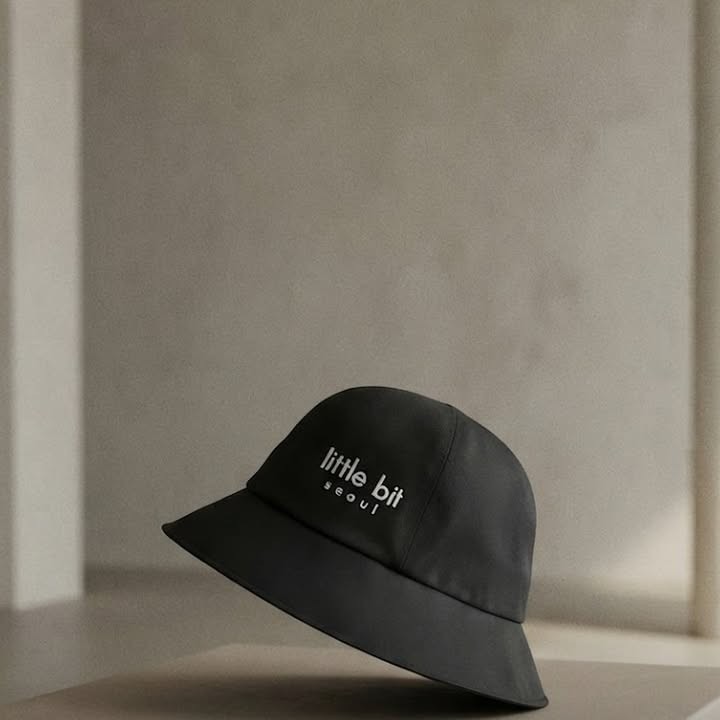
cotton and nylon solve different problems, and a bucket hat can only really commit to one. cotton, usually as twill or canvas, has weight and body. it holds a crown's shape because the fibers have some structure to begin with, and it takes a crease or a soft dome and keeps it. nylon is the opposite instinct: light, thin, built to compress into nothing and spring back.
what cotton does well
a cotton crown ages the way a good jacket does. the color settles, the twill develops a slight texture where hands have touched it, and any topstitching stays crisp because the base fabric doesn't slip under the needle the way synthetics can. it also breathes — worn for a full afternoon, cotton lets heat off the scalp in a way that laminated nylon does not, and a crown that holds its own shape leaves a pocket of air above the head instead of pressing heat against it. the tradeoff is water. untreated cotton takes on rain and stays damp, and a soaked brim loses its line until it dries flat again. a six-panel dome in cotton twill, the kind we make, is built for that tradeoff on purpose: shape over the course of a day matters more to us than shrugging off a downpour.
what nylon does well
nylon's whole case is portability and weather. it packs into a jacket pocket without creasing, dries in minutes, and a lot of nylon bucket hats add a water-repellent coating so rain beads off instead of soaking in. that makes it the better choice for travel, festivals, boats, anything where the hat needs to survive being stuffed in a bag and pulled back out looking the same. what it gives up is presence. nylon doesn't hold a crown shape on its own — most nylon bucket hats rely on stiff interfacing or a wire brim to keep any structure at all, and once that interfacing breaks down the hat goes soft and stays soft. it also runs hotter than people expect, since the same coating that blocks rain blocks airflow.
so which one is actually better. if the hat is going to live on your head through a normal week — commuting, errands, sitting in the sun — cotton is the better material, full stop. it looks intentional, it breathes, and a well-made cotton crown holds its shape for years rather than one season. if the hat's job is to disappear into a bag until the weather turns, nylon wins, and no amount of interfacing will make a cotton hat behave like a rain shell. buying the wrong one for your actual use is the real mistake, not the fabric itself. someone who hikes in weather and wants one hat for it should not buy a cotton dome and hope; someone who wants a hat that looks better a year from now than it does today should not buy nylon expecting it to develop character, because it won't.
there isn't a third option that does both well. blends and coated cottons exist, but they mostly average out the strengths of each rather than combining them — a little more water resistance, a little less shape, a little less breathability. if the choice has to be binary, decide first whether you're dressing for the week or packing for the weather, and let that answer the fabric question rather than the other way around. more on how a cotton bucket hat is put together is in the journal.
 light black, bell-shaped bucket hat220 USDT · made to order, ships in about 8 weeks · seoulsee the hat →